


Recent Winners
- Cole M.CA$7,661.4410/21/2026
- Krista W.CA$10,133.3410/21/2026
- Cyril B.CA$4,023.5410/20/2026
- Colton P.₿0.10992110/20/2026
- Zoe H.Ʀ358.6310/20/2026
- Meta R.₹177,276.1810/19/2026
- Magnus S.¥1,352,77810/19/2026
- Linwood L.NZ$13,929.4110/19/2026
- Eli B.CA$3,431.0710/19/2026
- Sid C.Ʀ4056.3410/18/2026
- Donald B.CA$9,676.9510/18/2026
- Caleigh P.A$12,311.8810/18/2026
- Lavern C.CA$3,732.2010/18/2026
- Cole M.CA$7,661.4410/21/2026
- Krista W.CA$10,133.3410/21/2026
- Cyril B.CA$4,023.5410/20/2026
- Colton P.₿0.10992110/20/2026
- Zoe H.Ʀ358.6310/20/2026
- Meta R.₹177,276.1810/19/2026
- Magnus S.¥1,352,77810/19/2026
- Linwood L.NZ$13,929.4110/19/2026
- Eli B.CA$3,431.0710/19/2026
- Sid C.Ʀ4056.3410/18/2026
- Donald B.CA$9,676.9510/18/2026
- Caleigh P.A$12,311.8810/18/2026
- Lavern C.CA$3,732.2010/18/2026
- Cole M.CA$7,661.4410/21/2026
- Krista W.CA$10,133.3410/21/2026
- Cyril B.CA$4,023.5410/20/2026
- Colton P.₿0.10992110/20/2026
- Zoe H.Ʀ358.6310/20/2026
- Meta R.₹177,276.1810/19/2026
- Magnus S.¥1,352,77810/19/2026
- Linwood L.NZ$13,929.4110/19/2026
- Eli B.CA$3,431.0710/19/2026
- Sid C.Ʀ4056.3410/18/2026
- Donald B.CA$9,676.9510/18/2026
- Caleigh P.A$12,311.8810/18/2026
- Lavern C.CA$3,732.2010/18/2026
- Cole M.CA$7,661.4410/21/2026
- Krista W.CA$10,133.3410/21/2026
- Cyril B.CA$4,023.5410/20/2026
- Colton P.₿0.10992110/20/2026
- Zoe H.Ʀ358.6310/20/2026
- Meta R.₹177,276.1810/19/2026
- Magnus S.¥1,352,77810/19/2026
- Linwood L.NZ$13,929.4110/19/2026
- Eli B.CA$3,431.0710/19/2026
- Sid C.Ʀ4056.3410/18/2026
- Donald B.CA$9,676.9510/18/2026
- Caleigh P.A$12,311.8810/18/2026
- Lavern C.CA$3,732.2010/18/2026
Aviator
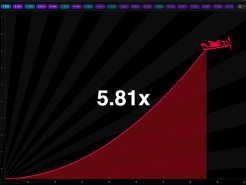
The moment Aviator loads, it feels less like a classic slot and more like a high-stakes decision loop built around timing, nerve, and momentum. Instead of reels and paylines, this crash-style experience runs on a simple idea: watch the multiplier climb and cash out before it drops—creating those pulse-quick turns where a small stake can suddenly look huge. With a clean interface and a ceiling that rewards bold plays, it’s an easy one to sample when you want something quick, tense, and different.
Sky-High Theme Energy Without the Clutter
Aviator leans hard into its aviation identity with a crisp runway-and-radar vibe rather than overloaded visuals. The design keeps your attention where it matters—the multiplier curve and the cashout button—while the aircraft motif reinforces that “takeoff” feeling as the number rises. Sound work stays functional and sharp, using subtle cues to build pressure as the flight continues, which makes each round feel like a short, self-contained moment of risk.
Simple Structure, Pure Decisions
In Aviator, there are no reels, rows, or paylines (it’s effectively 0 paylines), which is exactly why it plays so cleanly. Each round begins at a low multiplier and climbs until an unpredictable stop, and your only job is deciding when to exit. There aren’t traditional Wilds, Scatters, or symbol ladders here—volatility comes from the crash timing and your cashout discipline, not from hit rates across a grid.
Bet Flexibility That Fits Quick Plays or Bigger Swings
Aviator supports a wide range of bankroll styles, topping out at a max bet of 100, which gives higher-stake players room to push meaningful returns when the multiplier runs long. Smaller bets still feel engaging because rounds are fast and outcomes are immediate—great if you prefer many short attempts rather than waiting for a bonus cycle. Expect variance to feel sharper than a standard slot: results can cluster, and patience matters when multipliers end early.
Features That Matter: Cashout Control and Multiplier Pressure
What makes Aviator addictive is how every “feature” is really a pressure mechanic: the multiplier rising, the uncertainty of the crash point, and the constant temptation to wait one more second. Many players use two simultaneous bets (where available) to balance safety and upside—one aiming for a quick cashout, the other riding longer for a bigger number. The excitement comes from having control over your exit, which can turn even an ordinary round into a meaningful win if you time it right.
Practical Play Tips That Actually Help
With Aviator, the biggest edge you can give yourself is consistency, not prediction. Set a rough plan before you start—like aiming for modest multipliers for most rounds and reserving occasional higher targets as “shots,” rather than chasing losses with random cashout points. Keep stakes steady during cold stretches, and only scale up when you’re comfortable with the swing rate; crash games can punish emotional bet jumps fast. If you’re using multiple bets per round, consider pairing a conservative exit with a longer ride so you’re not relying on one decision to carry the session.
Crisp Visuals and Sound That Keep You Locked In
Aviator succeeds by staying readable under pressure: clean colors, clear multiplier visibility, and minimal distractions when timing is everything. Animations emphasize the climb without cluttering the UI, so you never feel like you’re fighting the screen to make a decision. Audio cues add tension in a practical way—enough to heighten the moment, not so much that it becomes noise across repeated rounds.
Why This One Sticks
If you want an aviation-flavored crash experience that’s easy to learn and hard to master, Aviator delivers a sharp loop of risk and reward with real “one more round” pull. The lack of reels and symbols keeps it pure and fast, while the betting range makes it accessible for casual spins and bigger swings alike. If you’re ready to test your timing, try it at Ozoon, Bodog Casino, or Great Slots Casino—and remember, the smartest wins often come from knowing when to cash out, not how long you can wait.